Chapter 8: Zagros/Iran Ancestry and the Ritual Monuments in the Land of Göbekli Tepe
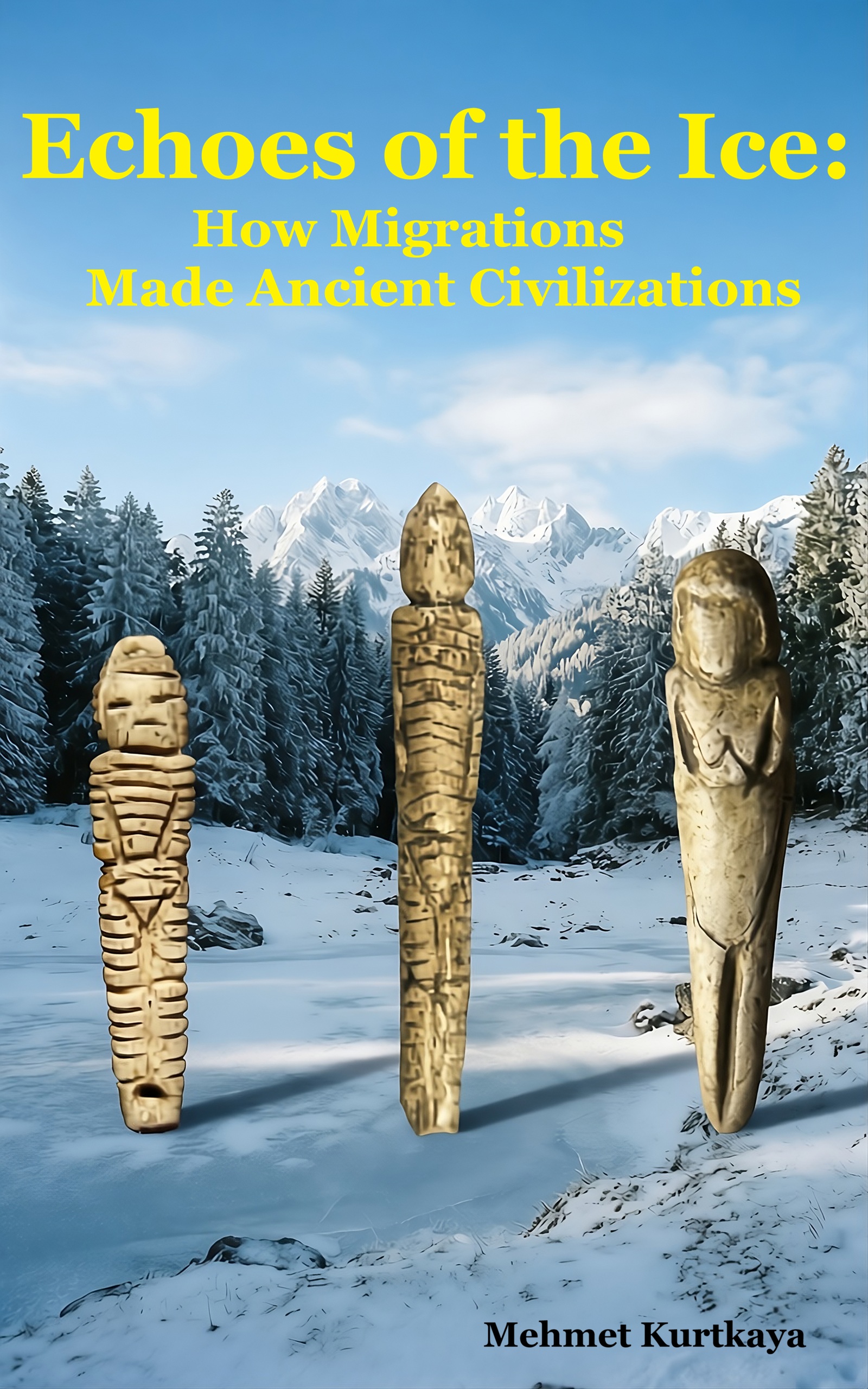
The World's Oldest Ritual Sites - Who built them?
Around 11,600 years ago, hunter-gatherers erected Göbekli Tepe in Southeast Turkey — massive T-shaped pillars carved with animals, arranged in circles. This monumental site, built before agriculture, challenges old ideas about when and how complex societies emerged. It shows foragers could mobilize for grand ritual architecture, hinting at deep spiritual beliefs and social organization. Gobekli Tepe is only one of similar sites in the region. There are other sites located in the same region including Karahan Tepe.
Regional Genetic Landscape
Direct ancient DNA from Göbekli Tepe is not yet available, but genetic data from nearby Pre-Pottery Neolithic sites in Upper Mesopotamia and Anatolia provide strong context. Populations at Boncuklu, Aşıklı Höyük, and related sites form a cline: primarily local Anatolian/Levantine Neolithic ancestry mixed with eastern Fertile Crescent influences from Zagros/Iran Neolithic groups (Iran_N), such as those represented by samples from Ganj Dareh, Tepe Abdul Hosein, and Wezmeh Cave.
A Crossroads of Admixture
This eastern component (Iran_N/Zagros-related) reflects long-distance connections across the Fertile Crescent, with foragers and early farmers exchanging genes, ideas, and technologies. The region acted as a bridge where ritual innovation flourished — monumental building by non-farmers suggests cultural complexity driven by gathering, feasting, and shared cosmology rather than surplus agriculture.
The chapter emphasizes how migrations and admixture in this pivotal area set the stage for later urban civilizations in the Near East. Göbekli Tepe and its contemporaries remind us that the drive for meaning and monumentality is ancient and widespread.