Chapter 5: How Siberia's Ancient North Eurasians Forged a Global Genetic & Cultural Legacy
The Discovery That Rewrote Human History
Deep in Siberia's permafrost, the 24,000-year-old Mal'ta boy (MA-1) revealed something extraordinary in 2014: a previously unknown "ghost population" called Ancient North Eurasians (ANE). This group emerged from a fusion of ancient West Eurasian (related to early European hunter-gatherers) and deep East Eurasian ancestries around 30,000–24,000 years ago, during the height of the Ice Age. They lived on the vast mammoth steppe, building semi-subterranean homes from bones and tusks, crafting intricate ivory figurines, and surviving temperatures that would challenge modern humans.
A Genetic Legacy Spanning Continents
The ANE's DNA is found in billions today. Native Americans carry 14–38% ANE ancestry, delivered via Beringia migrations. In Europe, Yamnaya steppe pastoralists (themselves ~50% ANE-derived through Eastern Hunter-Gatherers) contributed 30–50% of many modern populations' ancestry. Central and South Asians also show significant ANE signals from later steppe movements. This single Siberian lineage links populations separated by oceans and millennia — a hidden pillar of global human genetics.
Cultural Echoes in Ivory and Myth
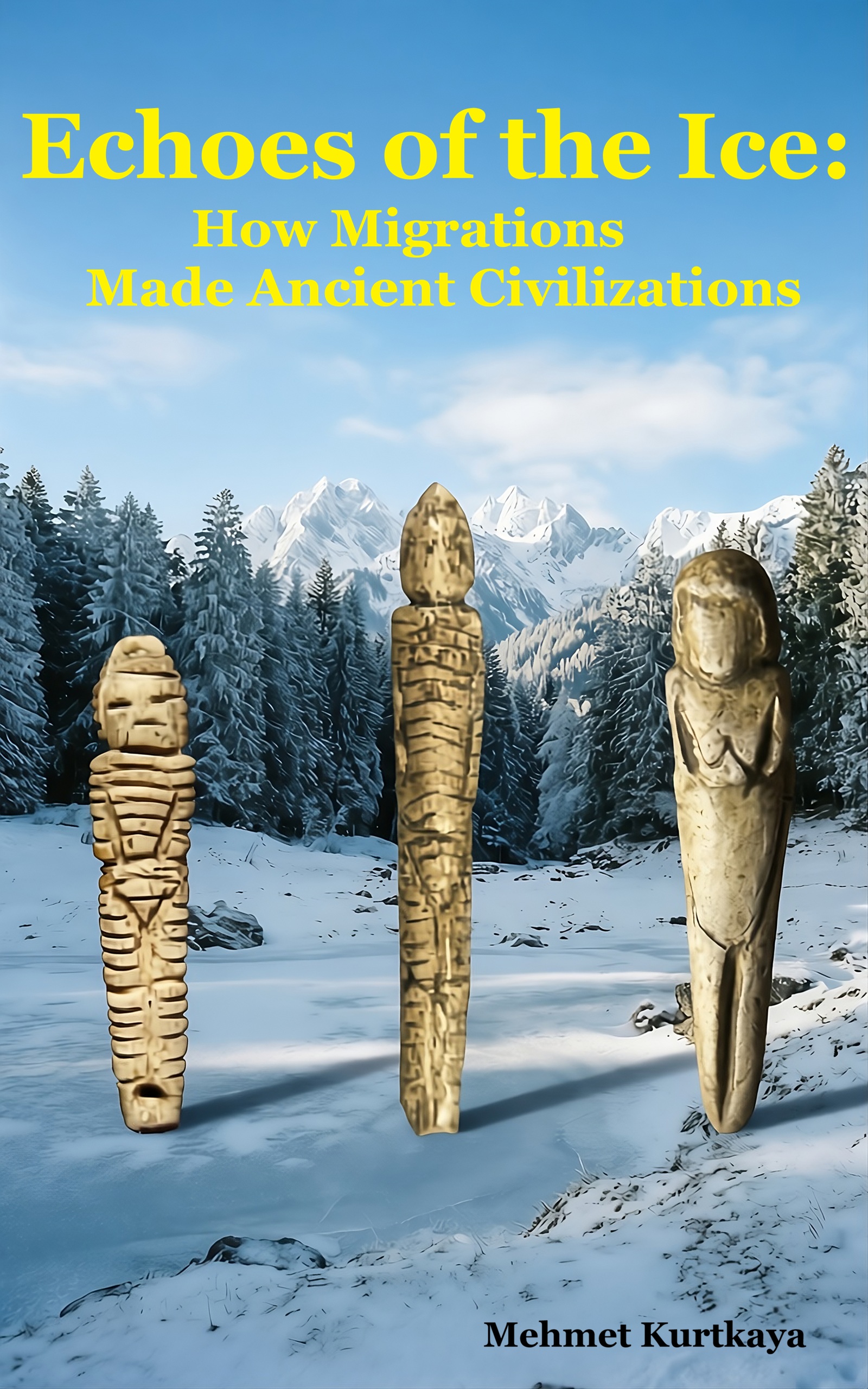
Beyond genes, the ANE left cultural traces: perforated plaques with serpents and spirals at Mal'ta, wolf-tooth adornments, and bird-man motifs. These portable symbols may echo in later mythologies — guardian dogs of the afterlife (Cerberus, Norse Garmr), world trees, and even early motifs resembling the swastika. From the Yana site (31,600 years ago) to the continuity seen in Afontova Gora and Tarim Basin mummies, the ANE demonstrate remarkable resilience and innovation in the harshest environments.
Siberia was not a frozen dead-end; it was a crucible where East met West, forging a substrate that empowered later cultures — from horse domestication at Botai to the chariot revolutions of Sintashta and Yamnaya. This chapter uncovers how a people with no grand monuments still shaped the world more than many empires.